
Young people can teach. We pay and prepare them to do it well.
Five years of engineering, media and math programs, mainly taught by youth from Irvington, Newark and East Orange during out-of-school time.
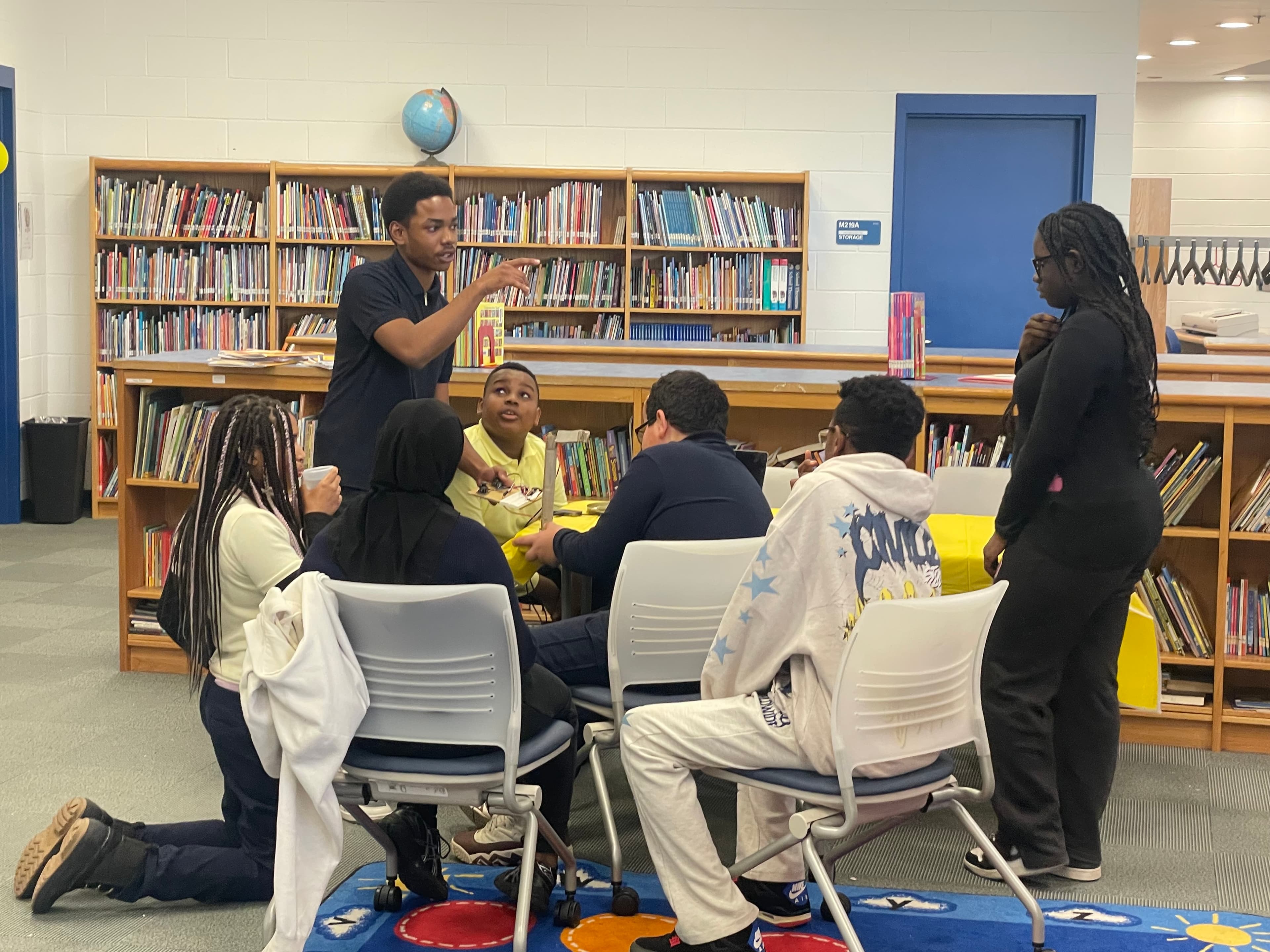
A loop, not a pipeline
Sessions in engineering, media and math give younger students hands-on, cutting-edge skills during out-of-school time.
Peer teachers train in curriculum development, group facilitation and their subject area, then earn a wage to teach it, building income, leadership experience and a credential while still in school.
The younger students in these classrooms are the ones who come next. A few years from now, some will be the ones getting trained, paid and leading a group of their own.
Why these three
We focus on three subjects that shape whether a young person can build, explain and understand the world around them: engineering, media and math. We teach each in a project-based, group format. Similar teachers, devices and students move between all three, and that overlap lets us do more with the people and equipment we already have.
Building isn't just a skill, it's a mindset: the habit of looking at a problem and assuming you can make something that solves it. It's also the highest-paying field our students can enter without a graduate degree, and the one their schools are least resourced to teach.
Understanding the world today means knowing how to critically consume the media around you, and how to create it yourself. That's likely why young people are already drawn to media and social media. We're building on an instinct that's already there.
Math literacy is a type of power. It lets someone fully participate in the modern economy and democracy, not just observe them from the outside, which is exactly why it's one of the biggest barriers to progress for students who fall behind. It also teaches something no other subject does as directly: the patience to sit with a hard problem until it resolves.
Main programs and activities
See all programs and eligibility →Learn computer science, software engineering, AI, design, and product thinking. Students grow their skills through relatable lectures, small-group projects, and hands-on coding. Along the way, they hear from guest speakers in tech, go on local trips, and build lasting friendships over daily breakfast and lunch. Students form teams to build AI-powered iOS apps that solve real community problems. The summer ends with a community showcase where students present their work to family, friends, and local partners.
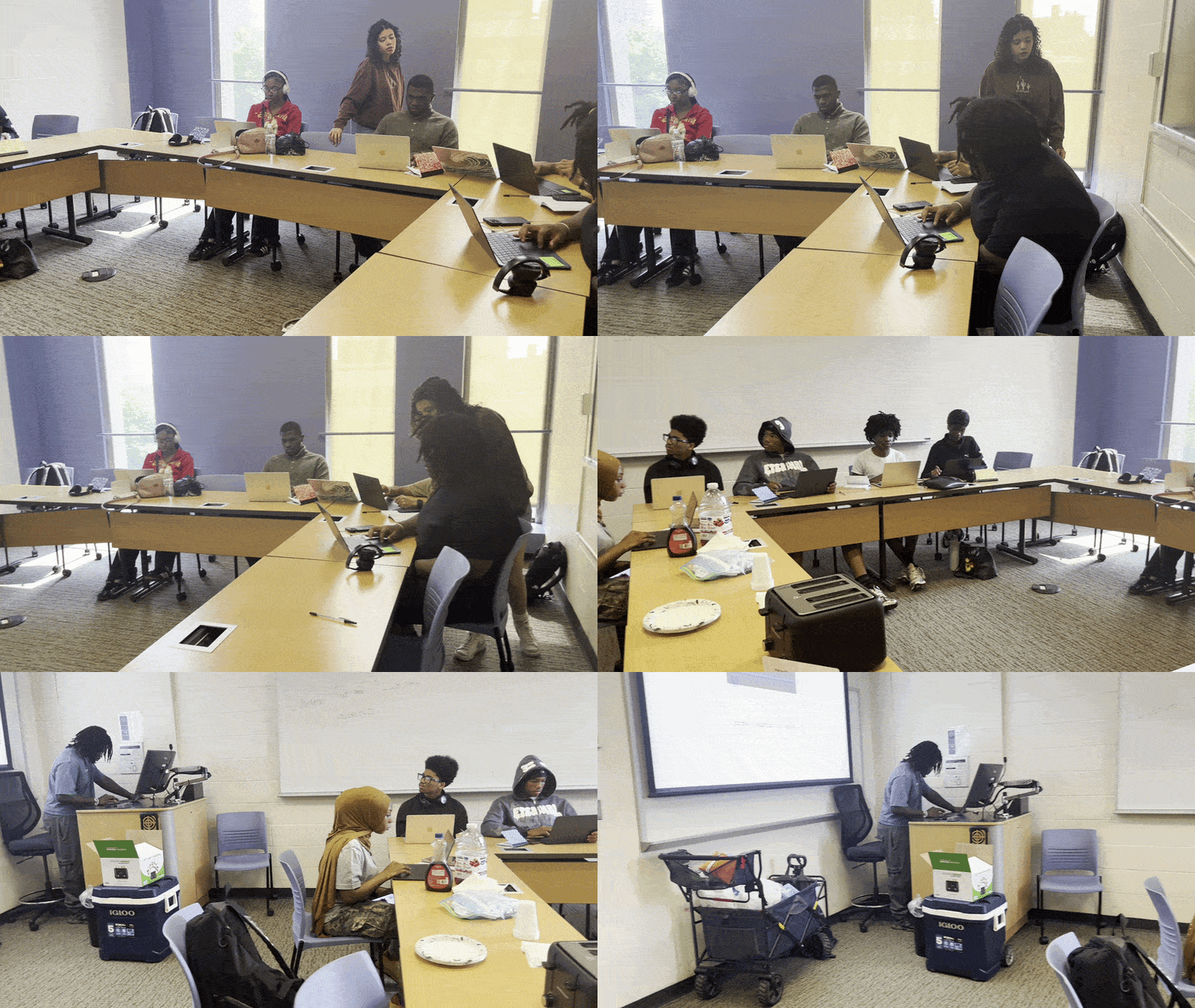
Digital storytelling and media production program where students learn video editing, podcasting, and content creation.
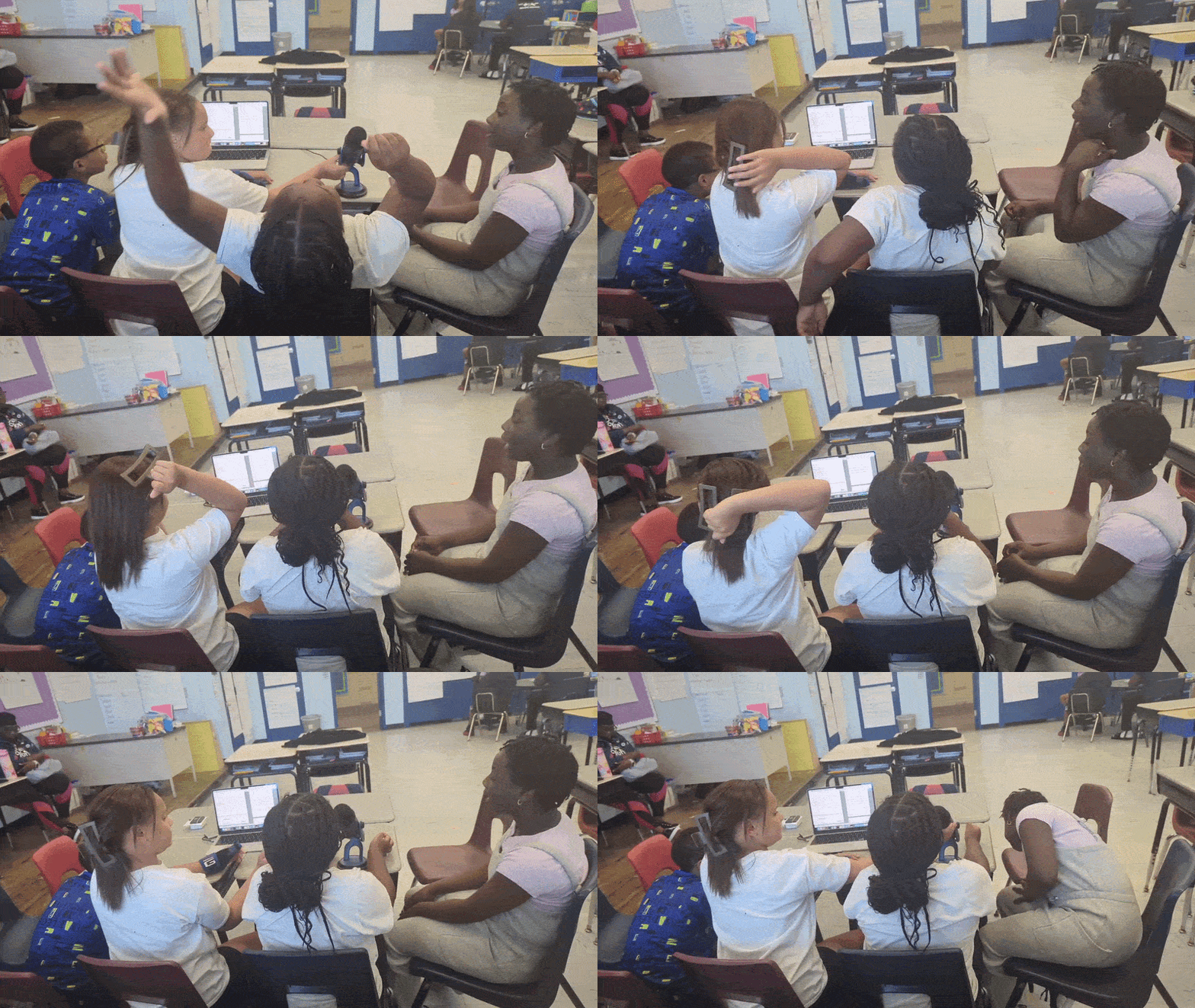
A small-group math club at Belmont-Runyon School building confidence and resilience for problem-solving through hands-on activities, visual learning and games, with exposure to algebra and other advanced math concepts. Sessions run twice a week during winter and spring, taught by youth and community teachers, with weekly social-emotional check-ins built into every session.
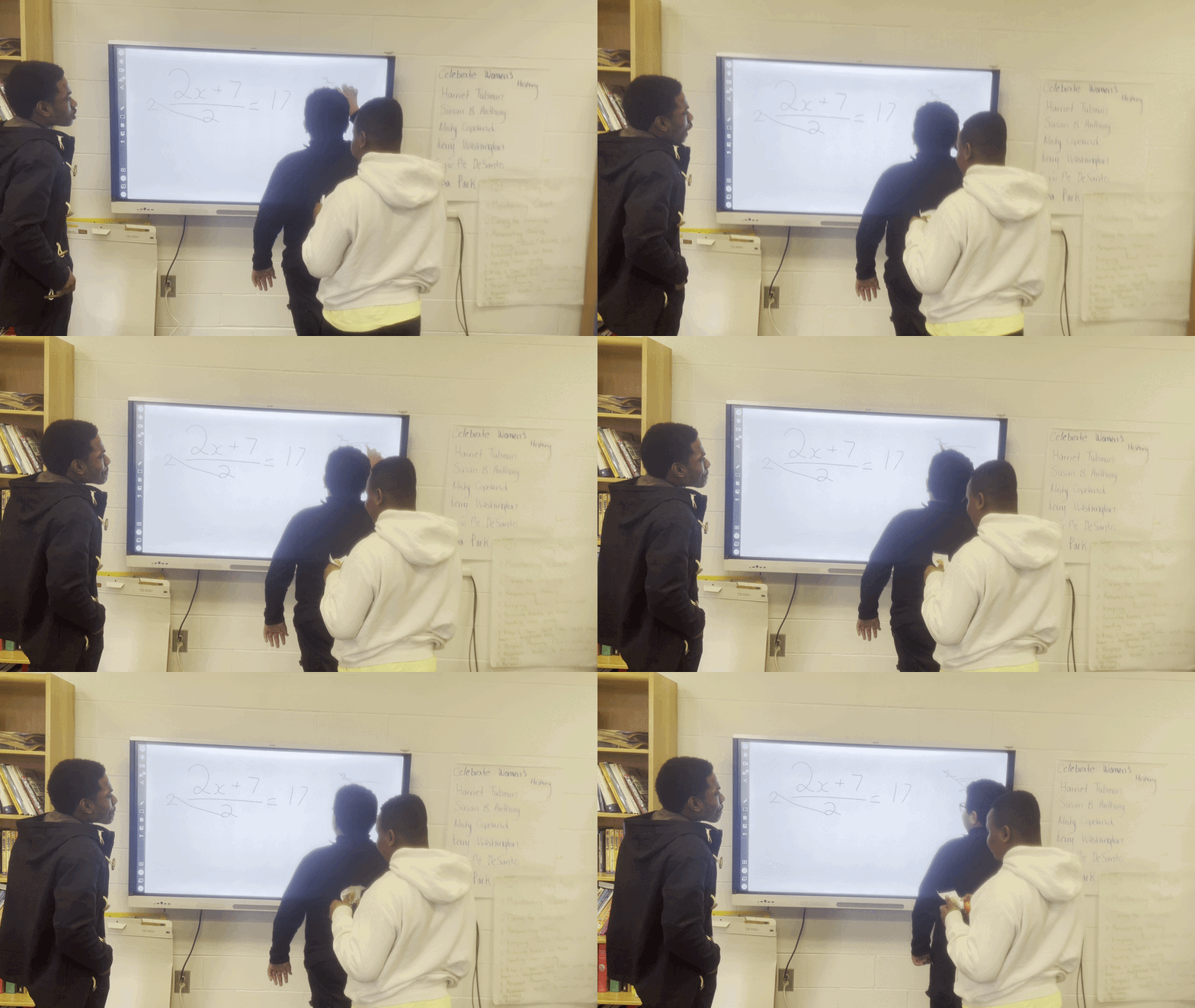
Talk about what's going on in the world, then get your hands on the technology that's changing it. It's every week and for the whole neighborhood, so bring a friend!
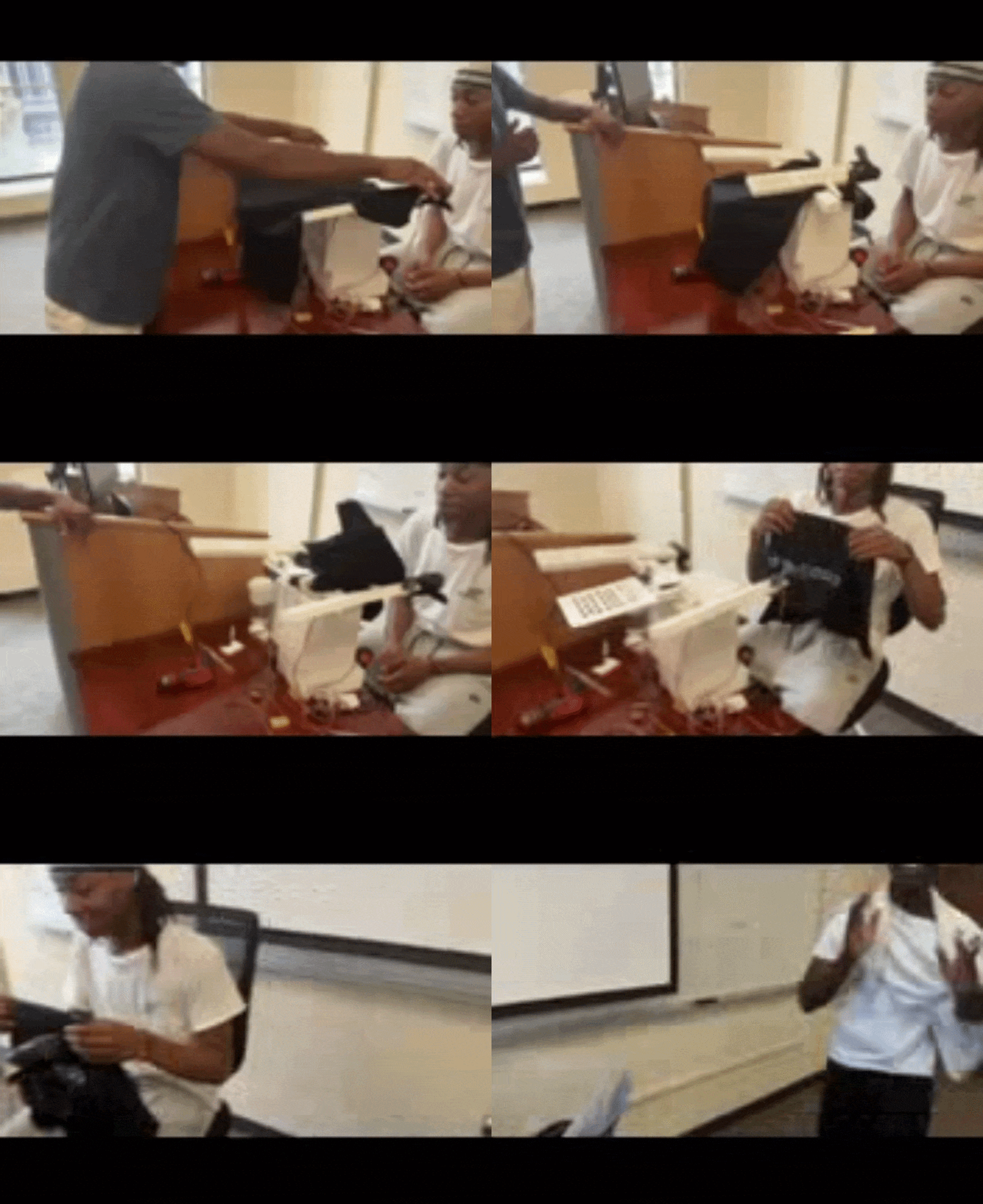
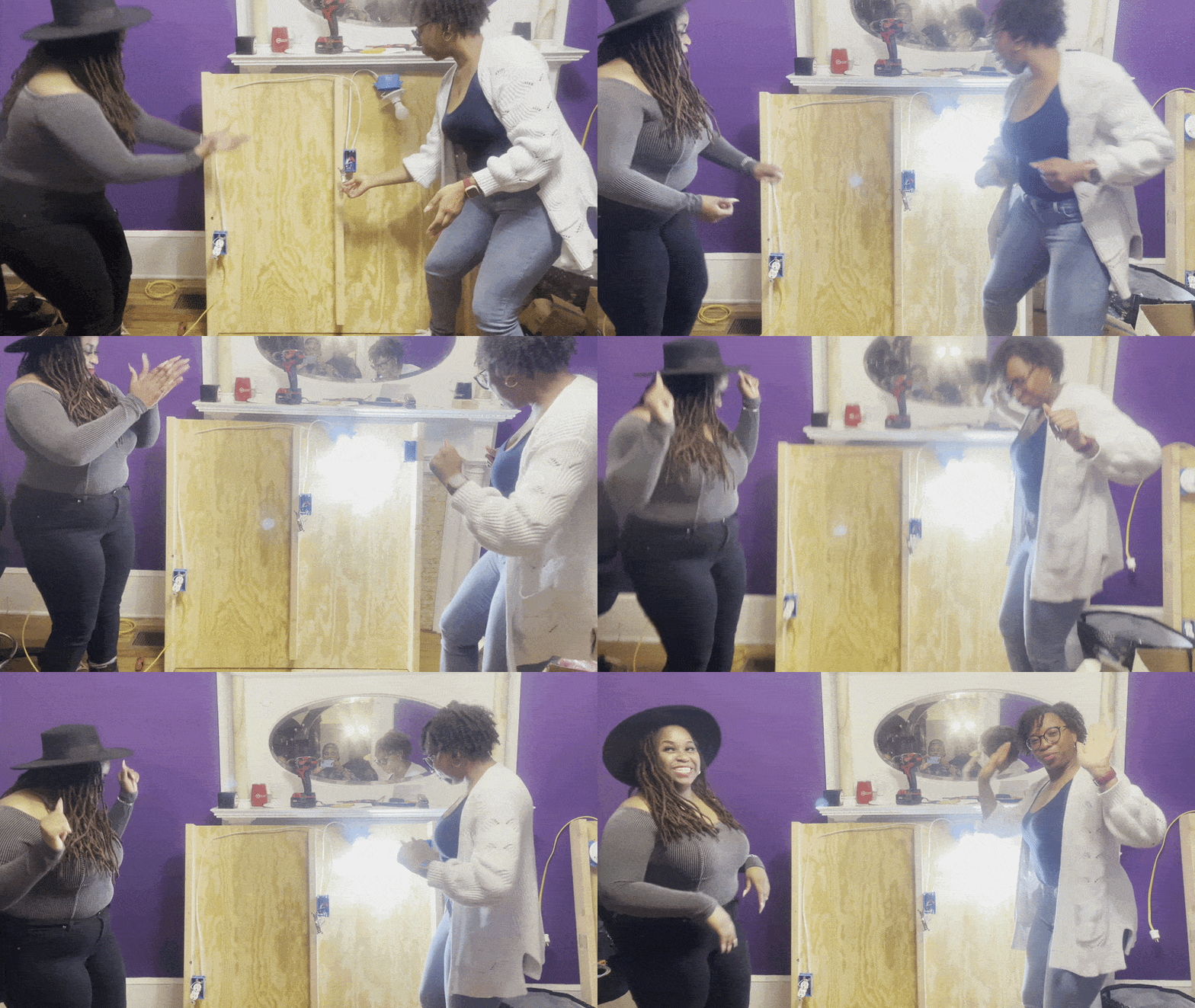
Ever wonder how your phone charges, how lights turn on, or how robots work? It's Electric is where you find out by actually building stuff. Solder circuits, wire switches, code microcontrollers, and make LEDs dance. Break things (safely), fix things, and discover if you're the type who likes working with their hands, designing tech, or both. No experience needed, just curiosity and a willingness to try.
Stories and reports
Double Up Math, 2025–26: the full recap
Eighteen weeks over winter and spring 2026 at Belmont-Runyon School, two two-hour sessions a week with about ten students each, covering foundational skills through AMC 8-level algebra plus weekly social-emotional check-ins. What worked, what didn't, and why we want to add a second site next.
“Generation Code not only allowed me to make lasting friendships but also the opportunity to make a meaningful impact in my community, and for that I will always be grateful.”

Financials, outcomes and a site-hosting brief, in one place
Our 990, Candid transparency profile, per-student cost and what a host school provides. No form required to read any of it.